

FAQS About EMG Testing
EMG testing evaluates nerve and muscle function to identify the causes of weakness, tingling, numbness, or chronic pain. Each test is performed with precision, safety, and patient comfort in mind. EMG provides critical insights to guide personalized treatment plans. Dr. Meisha K. Abbasinejad and the team at Cape Fear Physical Medicine and Rehab offer EMG testing. For more information, contact us or schedule an appointment online. We are conveniently located at 1540 Purdue Dr, Ste. 200, in Fayetteville, NC 28303.
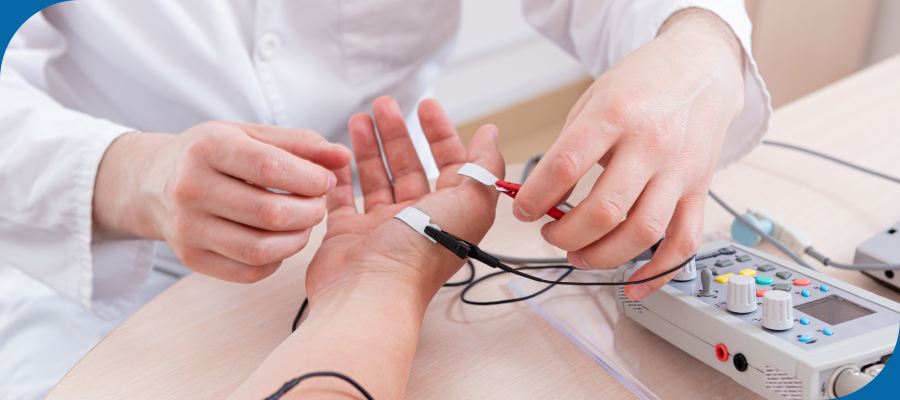
Table of Contents:
What should I expect during an EMG test?
Is an EMG test painful?
Do I need to prepare for an EMG test?
What are the risks of having an EMG test?
What does an EMG test measure?
What happens after the EMG test is completed?
What happens if the EMG test results are abnormal?
What does the procedure involve during an EMG test?
How are results from an EMG test interpreted?
Can EMG tests be repeated, and how often?
What are the long-term benefits of having an EMG test?
Is there any risk of infection from an EMG test?
How soon can I get my EMG results after the test?
Can an EMG test detect muscle weakness?
How do I know if I need an EMG test for my symptoms?
Is the EMG test used alongside other diagnostic procedures?
Do EMG tests work for diagnosing chronic pain conditions?
At Cape Fear Physical Medicine in Fayetteville, NC, Dr. Meisha K. Abbasinejad and her experienced team provide comprehensive diagnostic care using advanced EMG testing. Our specialists are dedicated to evaluating nerve and muscle function to help identify the underlying causes of symptoms such as weakness, tingling, or chronic pain. With a patient-centered approach, the team ensures your EMG experience is thorough, comfortable, and informative, allowing for accurate results that guide personalized treatment plans.
During an EMG test, small needles are inserted into selected muscles to record electrical activity. You will be asked to relax and then contract the muscles while the electrodes capture signals. The EMG procedure is performed by a trained technician. Multiple muscles may be tested depending on your symptoms.
Most patients experience mild discomfort or brief stinging when the EMG needles are inserted. The sensation is temporary and limited to the area being tested. Muscle contraction during the EMG may feel slightly uncomfortable. Overall, EMG testing is generally well-tolerated.
No extensive preparation is required for an EMG test. Avoid applying lotions or oils to the skin on test areas. Inform your provider about medications, especially blood thinners or muscle relaxants. Wearing loose clothing makes it easier to access muscles during the EMG.
EMG tests are considered low-risk procedures. Minor bruising, soreness, or temporary muscle discomfort may occur at needle sites. Rarely, infection or bleeding can happen during an EMG. Serious complications from EMG are extremely uncommon.
An EMG measures the electrical activity of muscles at rest and during contraction. It evaluates how well nerves communicate with muscles. The EMG can reveal abnormalities in nerve signaling or muscle function. This helps in diagnosing neuromuscular disorders accurately.
After completing the EMG, you may notice mild soreness or slight bruising at the needle insertion sites. Normal activities can usually be resumed immediately. Your provider may give instructions for minor post-EMG care. Results are reviewed and discussed during a follow-up appointment.
Abnormal EMG results indicate that nerves or muscles may not be functioning properly. Your provider may recommend further testing to determine the underlying issue. Treatment options or referrals to specialists may follow an abnormal EMG. These results help guide appropriate management of your condition.
The EMG procedure uses fine needle electrodes inserted into muscles to record electrical activity. You will be asked to contract and relax the muscles during testing. Each muscle is monitored individually to assess nerve and muscle function. EMG sessions may take 30–60 minutes depending on the number of muscles tested.
A specialist reviews the electrical signals recorded during the EMG. Abnormal patterns may suggest nerve damage, muscle disease, or problems with signal transmission. EMG interpretation considers your symptoms, medical history, and other diagnostic results. These findings help determine the most appropriate treatment plan.
Yes, EMG tests can be repeated if symptoms change or to monitor disease progression. Frequency depends on your condition and the guidance of your physician. Repeat EMG testing can help evaluate response to treatment. There is no strict limit on how often EMG can be performed.
EMG provides accurate insight into nerve and muscle health. Early detection of abnormalities allows for targeted interventions. EMG testing can help prevent worsening of neuromuscular conditions. It supports long-term planning for treatment and improved quality of life.
The risk of infection from EMG is very low when proper sterilization and technique are used. Needles are single-use and the skin is cleaned before insertion. Minor redness or irritation may occur at the EMG sites. Serious infections from EMG are extremely rare.
Preliminary observations may be available immediately after the EMG. Detailed results are reviewed by a specialist and provided within days to a week. Your provider may schedule a follow-up appointment to discuss EMG findings. Timing can vary depending on the clinic workflow.
Yes, EMG can detect both the presence and cause of muscle weakness. The test identifies whether weakness stems from nerve or muscle problems. EMG results guide treatment and rehabilitation strategies. It is particularly useful for unexplained or progressive weakness.
EMG is recommended if you have unexplained numbness, tingling, or muscle weakness. Persistent or progressive symptoms affecting daily function often warrant EMG testing. Your physician will assess your history, physical exam, and other tests. They will determine if an EMG can help clarify your diagnosis.
Yes, EMG is often combined with nerve conduction studies and imaging tests. Blood tests may also be used to rule out metabolic or inflammatory causes. Together, these tests provide a complete picture of neuromuscular health. EMG integration ensures accurate diagnosis and treatment planning.
EMG can help identify nerve-related sources of chronic pain. It detects abnormal muscle activity linked to nerve disorders. However, EMG may not detect all types of pain, especially those without nerve involvement. EMG is most effective when part of a broader diagnostic evaluation.
Following your EMG test at Cape Fear Physical Medicine, Dr. Meisha K. Abbasinejad and the team review and interpret the results to develop an effective care strategy tailored to your needs. Whether you require further diagnostic testing, targeted therapy, or ongoing monitoring, our goal is to support your neuromuscular health and overall well-being. Trust our Fayetteville-based clinic to provide precise, compassionate care and expert guidance every step of the way. Contact us today for more information, or simply schedule an appointment online. We are conveniently located at 1540 Purdue Dr, Ste. 200, in Fayetteville, NC 28303. We serve patients from Fayetteville NC, Woodfield NC, Hope Mills NC, Fort Bragg NC, Eastover NC, and surrounding areas.

Check Out Our 5 Star Reviews


Additional Services You May Like
▸ Weight Loss & Wellness Program
▸ Botox for Migraine
▸ EMG Nerve Conduction Studies
▸ Epidural Steroid Injections
▸ Radiofrequency Ablation
▸ Rehabilitation Consultations
▸ Facet Injections
▸ Sacroiliac Joint Injections
▸ Joint Injections
▸ Genicular Nerve Blocks
▸ Prosthetic Evaluation/Management
▸ Adjuvant Therapy/Care
▸ Spasticity Management
▸ Stroke Treatment
▸ Multiple Sclerosis
▸ Spinal Cord Injury
▸ Traumatic Brain Injury
▸ Lifestyle Medicine
▸ Phentermine
▸ Qsymia
▸ Contrave
▸ Lipo Injection
▸ B12 Injections

Additional Services You May Like
▸ Weight Loss & Wellness Program
▸ Botox for Migraine
▸ EMG Nerve Conduction Studies
▸ Epidural Steroid Injections
▸ Radiofrequency Ablation
▸ Rehabilitation Consultations
▸ Facet Injections
▸ Sacroiliac Joint Injections
▸ Joint Injections
▸ Genicular Nerve Blocks
▸ Prosthetic Evaluation/Management
▸ Adjuvant Therapy/Care
▸ Spasticity Management
▸ Stroke Treatment
▸ Multiple Sclerosis
▸ Spinal Cord Injury
▸ Traumatic Brain Injury
▸ Lifestyle Medicine
▸ Phentermine
▸ Qsymia
▸ Contrave
▸ Lipo Injection
▸ B12 Injections


 Send Text
 How May I Help You?