
Who Offers Stroke Treatment in Fayetteville, NC?
Stroke treatment involves a comprehensive approach aimed at minimizing damage and improving recovery outcomes. At Cape Fear Physical Medicine and Rehab, our professional team provides personalized care for stroke patients, focusing on rehabilitation techniques that promote healing and restore function. We work closely with each patient to develop a tailored plan that addresses their unique needs, helping them regain independence and improve their quality of life. For more information, contact us or schedule an appointment online. We are conveniently located at 1540 Purdue Dr, Ste. 200, in Fayetteville, NC 28303.
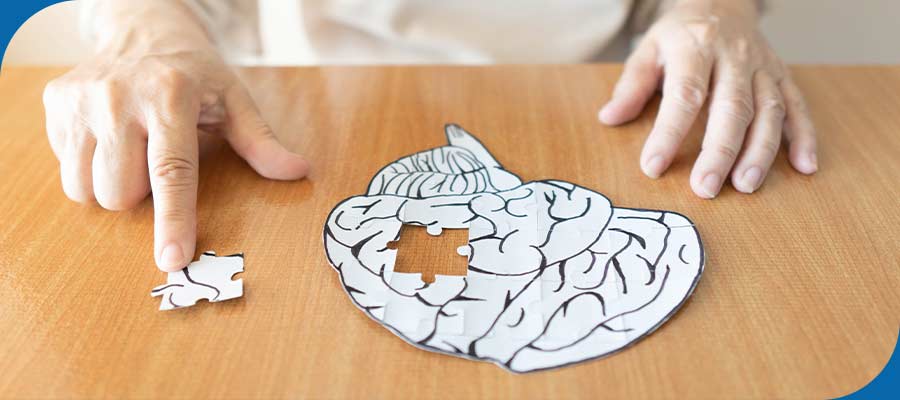
Table of Contents:
What is a stroke?
What causes a stroke?
What are the risk factors for stroke?
What are the signs and symptoms of a stroke?
What can patients expect during stroke rehabilitation?
How long does stroke rehabilitation usually take?
What factors influence recovery after a stroke?
Why Choose Cape Fear Physical Medicine and Rehab for Stroke Rehabilitation in Fayetteville, NC?
While a stroke is a life-threatening medical emergency in the immediate sense, it can also have life-altering effects long after the initial episode. It is essential to seek immediate medical attention when a stroke occurs and also to find high-quality rehabilitative care after a stroke to recover from the effects of the stroke. The stroke treatment specialists at Cape Fear Physical Medicine & Rehab would be happy to answer any of your questions about strokes and provide you with exceptional rehabilitative care.
A stroke is a medical emergency during which the blood supply to one part of your brain is either interrupted entirely or significantly reduced. When this occurs, your brain tissue does not receive the oxygen and nutrients it requires to function, and brain cells begin to die off within a matter of minutes.
There are three different types of strokes, which are as follows:
• Ischemic Stroke: This type of stroke is the most common, accounting for approximately 87 percent of all strokes. Ischemic strokes involve blocked or reduced blood flow within the artery that supplies oxygen-rich blood to the area of the brain where the stroke occurs. An ischemic stroke is a life-threatening medical emergency.
• Transient Ischemic Attack: also known as a mini-stroke, a transient ischemic attack involves a temporary interruption in blood flow to the brain. Such strokes last approximately five minutes and are considered warning signs that an ischemic stroke, which is much more severe, could be imminent. As such, while a transient ischemic attack is not generally a life-threatening medical emergency, it does require urgent medical attention to prevent an ischemic stroke from occurring.
• Hemorrhagic Stroke: This type of stroke is less common than ischemic strokes and transient ischemic attacks and also affects the brain differently. Whereas ischemic strokes and transient ischemic attacks involve blocked or reduced blood flow to the brain, a hemorrhagic stroke occurs when an artery in the brain ruptures, causing excessive blood flow and pressure to the surrounding brain tissues. Although they are less common, hemorrhagic strokes are life-threatening medical emergencies and can result in the same complications as an ischemic stroke.
A stroke occurs when blood flow to part of the brain is interrupted or when a blood vessel in or around the brain ruptures. Without sufficient blood and oxygen, brain cells can become damaged, making a stroke a medical emergency that requires immediate treatment.
Common causes of stroke include:
• A blood clot blocking an artery that supplies the brain
• Plaque buildup that narrows or blocks blood vessels
• A clot traveling to the brain from the heart or another area
• Atrial fibrillation or other heart conditions
• Uncontrolled high blood pressure
• A ruptured aneurysm
• A weakened or damaged blood vessel in the brain
• Certain blood-clotting disorders
At Cape Fear Physical Medicine and Rehab in Fayetteville, NC, board-certified physician Dr. Meisha K. Abbasinejad, MD, helps patients understand modifiable stroke risk factors such as high blood pressure, high cholesterol, excess weight, smoking, and limited physical activity.
Several medical, lifestyle, and hereditary factors can increase the likelihood of having a stroke. Some risk factors can be managed through regular medical care and healthy habits, while others, such as age and family history, cannot be changed.
• Risk factors for stroke
• High blood pressure
• High cholesterol
• Heart disease
• Atrial fibrillation
• Diabetes
• Obesity
• Sickle cell disease
• Previous stroke or transient ischemic attack
• Smoking or vaping
• Limited physical activity
• Diets high in sodium or saturated fat
• Excessive alcohol consumption
• Increasing age
• Family history of stroke
• Certain inherited health conditions
At Cape Fear Physical Medicine and Rehab in Fayetteville, NC, board-certified physician Dr. Meisha K. Abbasinejad, MD, can review blood pressure, cholesterol, weight, medical history, and lifestyle factors to identify concerns that may affect cardiovascular wellness. We provide personalized guidance to help patients understand and manage modifiable risk factors.
The signs and symptoms of a stroke usually appear suddenly and may affect movement, speech, vision, balance, or awareness. A stroke is a medical emergency, so immediate medical attention is essential when symptoms begin. Prompt treatment may help limit brain damage and improve the likelihood of recovery. Do not wait for the symptoms to improve on their own.
Common signs and symptoms may include:
• Sudden confusion or difficulty understanding simple questions or statements
• Dizziness, unsteadiness, or difficulty walking
• A sudden, severe headache with no known cause
• Loss of balance, coordination, or control of movement
• Sudden numbness, weakness, or paralysis, especially on one side of the face, arm, or leg
• Facial drooping or an uneven smile
• Slurred speech, difficulty speaking, or trouble finding words
• Sudden blurred, double, or reduced vision in one or both eyes
• Difficulty swallowing or maintaining alertness
Remember the warning signs using F.A.S.T.: Face drooping, Arm weakness, Speech difficulty, and Time to seek emergency medical care. Even when symptoms disappear after a few minutes, an urgent medical evaluation is still necessary because they may indicate a transient ischemic attack, sometimes called a warning stroke.
After emergency treatment and medical stabilization, rehabilitation may help address weakness, limited mobility, balance problems, and difficulties with everyday activities. At Cape Fear Physical Medicine and Rehab in Fayetteville, NC, our rehabilitation doctors provide individualized care to support patients as they work toward improved movement, function, and independence following a stroke. Our experienced team will work with you to create a tailored rehabilitation plan that addresses your specific needs.
Stroke rehabilitation may include exercises and therapies designed to improve movement, strength, balance, communication, and daily living skills. The rehabilitation plan is based on the abilities affected by the stroke and the patient’s recovery goals.
The length of stroke rehabilitation varies depending on the severity of the stroke, the areas affected, overall health, and progress during therapy. Some patients improve within weeks or months, while others may continue making functional gains over a longer period.
Recovery after a stroke is influenced by the location and severity of the brain injury, the patient’s age and overall health, and the functions affected. The timing, consistency, and quality of rehabilitation, along with motivation, family support, and management of other medical conditions, may also affect progress. Recovery varies widely, and some patients continue making improvements months or years after a stroke.
Cape Fear Physical Medicine and Rehab provides individualized stroke rehabilitation focused on helping patients improve strength, balance, mobility, coordination, and everyday function after medical stabilization. Led by board-certified physician Dr. Meisha K. Abbasinejad, MD, we review each patient’s medical history, current limitations, recovery progress, and personal goals to develop a care plan suited to their specific needs.
Our clinic provides continued guidance as patients work toward greater independence and confidence in daily activities. Dr. Abbasinejad monitors progress, addresses ongoing concerns, and adjusts recommendations when clinically appropriate. At Cape Fear Physical Medicine and Rehab in Fayetteville, NC, we are committed to supporting patients through each stage of stroke recovery with attentive, personalized rehabilitative care. Contact us today for more information, or simply schedule an appointment online! We are conveniently located at 1540 Purdue Dr, Ste. 200, in Fayetteville, NC 28303. We serve patients from Fayetteville NC, Woodfield NC, Hope Mills NC, Fort Bragg NC, Eastover NC, and surrounding areas.

Check Out Our 5 Star Reviews


Additional Services You May Like
▸ Weight Loss & Wellness Program
▸ Botox for Migraine
▸ EMG Nerve Conduction Studies
▸ Epidural Steroid Injections
▸ Radiofrequency Ablation
▸ Rehabilitation Consultations
▸ Facet Injections
▸ Sacroiliac Joint Injections
▸ Joint Injections
▸ Genicular Nerve Blocks
▸ Prosthetic Evaluation/Management
▸ Adjuvant Therapy/Care
▸ Spasticity Management
▸ Stroke Treatment
▸ Multiple Sclerosis
▸ Spinal Cord Injury
▸ Traumatic Brain Injury
▸ Lifestyle Medicine
▸ Phentermine
▸ Qsymia
▸ Contrave
▸ Lipo Injection
▸ B12 Injections

Additional Services You May Like
▸ Weight Loss & Wellness Program
▸ Botox for Migraine
▸ EMG Nerve Conduction Studies
▸ Epidural Steroid Injections
▸ Radiofrequency Ablation
▸ Rehabilitation Consultations
▸ Facet Injections
▸ Sacroiliac Joint Injections
▸ Joint Injections
▸ Genicular Nerve Blocks
▸ Prosthetic Evaluation/Management
▸ Adjuvant Therapy/Care
▸ Spasticity Management
▸ Stroke Treatment
▸ Multiple Sclerosis
▸ Spinal Cord Injury
▸ Traumatic Brain Injury
▸ Lifestyle Medicine
▸ Phentermine
▸ Qsymia
▸ Contrave
▸ Lipo Injection
▸ B12 Injections


 Send Text
 How May I Help You?