
When Should You Consider EMG Testing?
EMG testing is typically considered when individuals experience symptoms like unexplained muscle weakness, numbness, tingling, or chronic pain in the limbs or back. It helps diagnose underlying issues with nerve or muscle function, such as neuropathy, muscle disorders, or nerve compression. If you have difficulty moving a muscle or experience persistent fatigue, EMG testing can provide valuable insight. Dr. Meisha K. Abbasinejad, MD, at Cape Fear Physical Medicine and Rehab, offers evaluation and guidance, ensuring accurate diagnosis and tailored treatment plans for optimal recovery. For more information, contact us or schedule an appointment online. We are conveniently located at 1540 Purdue Dr, Ste. 200 Fayetteville, NC 28303.
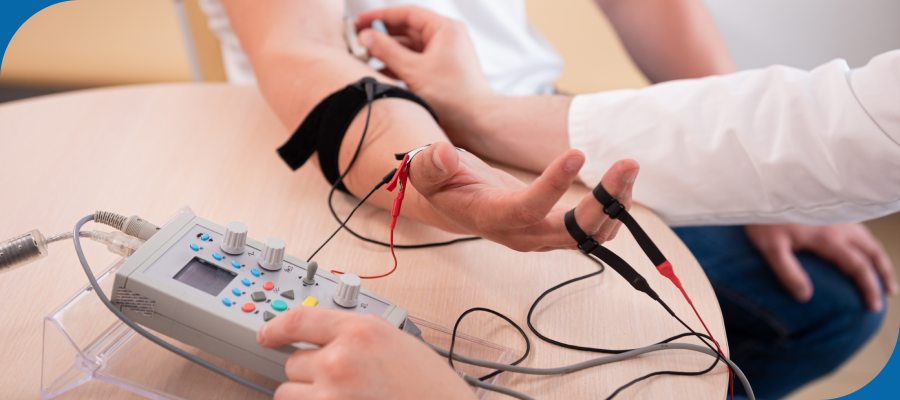
Table of Contents:
What symptoms indicate you may need EMG testing?
How should you prepare for EMG testing?
What conditions can EMG testing detect?
What should you avoid before EMG testing?
Why choose Dr. Meisha K. Abbasinejad, MD, at Cape Fear Physical Medicine and Rehab in Fayetteville, NC, for EMG testing evaluation?
Electromyography (EMG) testing is often recommended when individuals experience unexplained muscle weakness, numbness, or tingling. If you’re suffering from persistent pain in your muscles or nerves, particularly in the arms, legs, or back, EMG testing can help determine whether the problem is related to nerve damage or muscle dysfunction. Symptoms like muscle cramping, difficulty moving a limb, or unexplained fatigue can also indicate that EMG testing may be necessary. If your doctor suspects an issue with the communication between your nerves and muscles, such as a pinched nerve or neuropathy, an EMG can provide valuable insights.
In addition to pain and weakness, if you experience symptoms like tingling or “pins and needles” sensations in your limbs, it might be a sign that the nerves controlling your muscles are under stress or damage. These symptoms can be indicators of a broader neurological issue that requires in-depth evaluation through EMG testing. An EMG helps doctors understand the severity of nerve or muscle damage, ultimately aiding in the diagnosis and helping form the best course of treatment.
Preparing for an EMG test is relatively straightforward, but there are a few important steps to ensure accurate results. First, your doctor may advise you to avoid using lotions, oils, or creams on the day of the test, as these substances can interfere with the electrode placement on your skin. You should also wear comfortable clothing to allow easy access to the areas being tested, as the EMG involves attaching electrodes to the skin and inserting a fine needle into the muscle. If you are on any medications, especially those that affect nerve function, be sure to inform your healthcare provider, as they may ask you to adjust or temporarily stop taking them before the test.
It’s also essential to notify your doctor if you have any pre-existing conditions, such as a pacemaker or bleeding disorders, as these may require additional precautions. In some cases, the EMG technician may recommend a light meal before the procedure, but you should avoid heavy meals, as this can affect your comfort during the test. Being relaxed and calm before the test can also contribute to more accurate results, as tension and anxiety can affect muscle function and alter the readings.
EMG testing is useful in diagnosing a wide range of neuromuscular conditions. One of the most common conditions that EMG testing can detect is carpal tunnel syndrome, a condition where the median nerve in the wrist is compressed, causing pain and numbness in the hand. EMG can also identify various types of neuropathy, where the nerves that send signals from the spinal cord to the muscles are damaged. In addition, EMG testing is effective in diagnosing conditions like muscular dystrophy, myasthenia gravis, and peripheral nerve injuries. These conditions can result in weakness, muscle wasting, or difficulty with movement, and an EMG provides insight into the severity and extent of damage.
EMG can also detect conditions like radiculopathy, which occurs when nerves in the spine are compressed or irritated, leading to symptoms like pain or weakness that radiate down the arms or legs. It’s also used to assess disorders like amyotrophic lateral sclerosis (ALS) or polio, which can affect motor neurons and muscle function. By providing a detailed examination of muscle activity and nerve response, EMG testing offers crucial information to guide treatment decisions and provide an accurate diagnosis, helping to determine whether the problem is muscular or related to nerve function.
Before undergoing EMG testing, there are several things you should avoid to ensure the results are as accurate as possible. First, you should avoid applying any creams, lotions, or oils to your skin, particularly in the area where the electrodes will be placed. These substances can interfere with the electrical signals that the test relies on. You should also avoid consuming caffeine or nicotine before the test, as these substances can affect your nerve and muscle activity, potentially skewing the results. Additionally, if you’re taking any medications that affect nerve function or muscle relaxation, you may be asked to temporarily stop taking them before the test.
In some cases, your doctor might advise you to avoid intense physical activities that could tire or overstimulate the muscles in the area being tested. This is particularly important for areas where nerve function is being assessed. Ensuring that you’re in a relaxed state during the test helps achieve more accurate measurements. Always follow your doctor’s specific instructions, as they can vary based on the area being tested or any underlying medical conditions you may have.
Dr. Meisha K. Abbasinejad, MD, at Cape Fear Physical Medicine and Rehab in Fayetteville, NC, offers specialized care for patients in need of EMG testing. Dr. Abbasinejad’s comprehensive approach includes a detailed evaluation of your symptoms, a thorough physical examination, and a precise interpretation of your EMG results to determine the best course of action for your treatment. She focuses on using EMG testing to gain a clear understanding of nerve and muscle function, helping to identify conditions early and providing targeted interventions that can improve your quality of life.
At Cape Fear Physical Medicine and Rehab, you’ll receive a personalized treatment plan tailored to your specific needs. Dr. Abbasinejad and her team utilize advanced diagnostic tools to ensure that each test is accurate and that all results are clearly communicated to you. Whether you’re experiencing chronic pain, muscle weakness, or numbness, choosing Dr. Abbasinejad for your EMG evaluation ensures that you receive professional, compassionate care designed to get you back on the path to health. For more information, contact us or schedule an appointment online. We are conveniently located at 1540 Purdue Dr, Ste. 200 Fayetteville, NC 28303. We serve patients from Fayetteville NC, Woodfield NC, Hope Mills NC, Fort Bragg NC, Eastover NC, and surrounding areas.

Check Out Our 5 Star Reviews


Additional Services You May Like
▸ Weight Loss & Wellness Program
▸ Botox for Migraine
▸ EMG Nerve Conduction Studies
▸ Epidural Steroid Injections
▸ Radiofrequency Ablation
▸ Rehabilitation Consultations
▸ Facet Injections
▸ Sacroiliac Joint Injections
▸ Joint Injections
▸ Genicular Nerve Blocks
▸ Prosthetic Evaluation/Management
▸ Adjuvant Therapy/Care
▸ Spasticity Management
▸ Stroke Treatment
▸ Multiple Sclerosis
▸ Spinal Cord Injury
▸ Traumatic Brain Injury
▸ Lifestyle Medicine
▸ Phentermine
▸ Qsymia
▸ Contrave
▸ Lipo Injection
▸ B12 Injections

Additional Services You May Like
▸ Weight Loss & Wellness Program
▸ Botox for Migraine
▸ EMG Nerve Conduction Studies
▸ Epidural Steroid Injections
▸ Radiofrequency Ablation
▸ Rehabilitation Consultations
▸ Facet Injections
▸ Sacroiliac Joint Injections
▸ Joint Injections
▸ Genicular Nerve Blocks
▸ Prosthetic Evaluation/Management
▸ Adjuvant Therapy/Care
▸ Spasticity Management
▸ Stroke Treatment
▸ Multiple Sclerosis
▸ Spinal Cord Injury
▸ Traumatic Brain Injury
▸ Lifestyle Medicine
▸ Phentermine
▸ Qsymia
▸ Contrave
▸ Lipo Injection
▸ B12 Injections


 Send Text
 How May I Help You?