
GLP-1 vs Ozempic for Weight Loss — What’s the Difference?
GLP-1 is a class of medications that includes several drugs, such as tirzepatide and Ozempic, designed to help with weight loss by mimicking the natural GLP-1 hormone in the body. At Cape Fear Physical Medicine and Rehab, Dr. Meisha K. Abbasinejad tailors treatment plans to meet the specific needs of each patient, ensuring the most effective therapy for sustainable weight management. Contact us today for more information, or schedule an appointment online! We are conveniently located at 1540 Purdue Dr, Ste. 200, in Fayetteville, NC 28303.
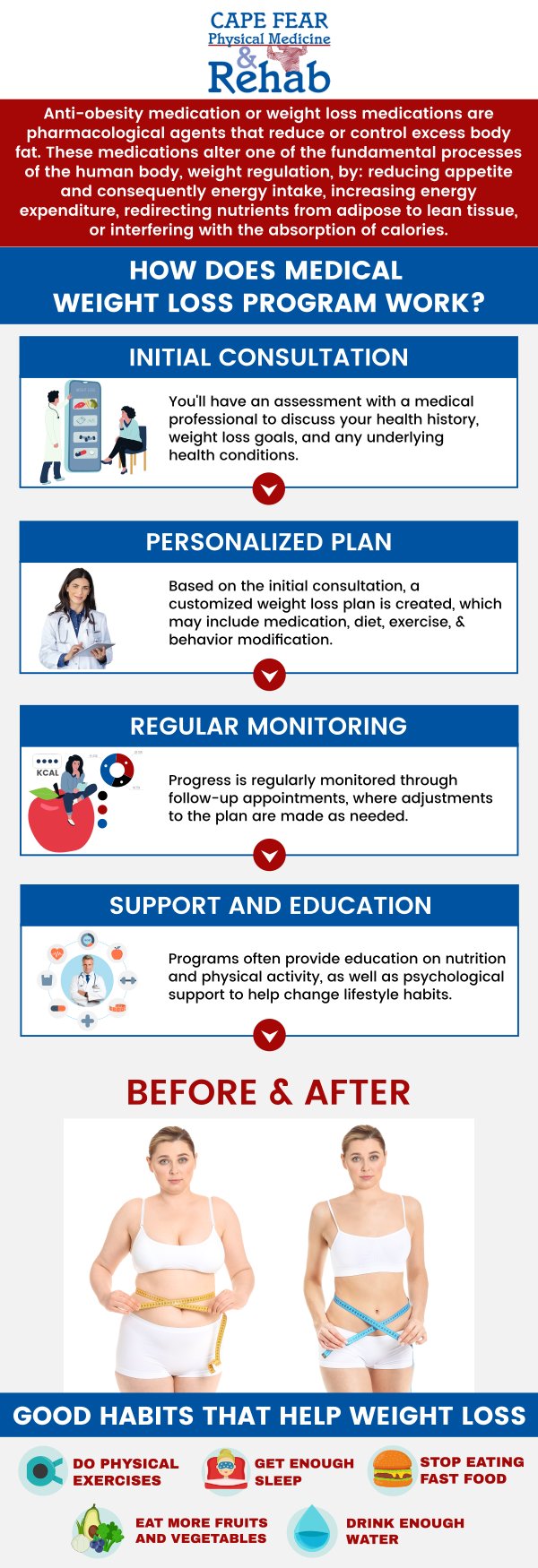
Table of Contents:
What is the difference between GLP-1 and Ozempic for weight loss?
How long does it take to see weight loss results with GLP-1 or Ozempic?
Is Ozempic more effective than other GLP-1 medications for obesity management?
Are GLP-1 and Ozempic injections safe for long-term use?
GLP-1 vs Ozempic — Finding the Right Weight Loss Option With Dr. Meisha K. Abbasinejad
At Cape Fear Physical Medicine and Rehab, we are committed to providing comprehensive care that supports your overall health and well-being. Understanding how hormones and medications can impact conditions such as obesity, type 2 diabetes, and related health concerns is an important part of our approach to rehabilitation and long-term wellness.
GLP-1 (glucagon-like peptide-1) is a class of medications that helps regulate blood sugar levels and control appetite. Ozempic is one of the most well-known medications in this class, specifically designed to treat type 2 diabetes but also FDA-approved for weight loss. While both GLP-1 medications and Ozempic help with weight management by promoting satiety (feeling of fullness) and reducing food intake, there are some key differences:
• Composition: Ozempic (semaglutide GLP-1) is a specific GLP-1 receptor agonist, while “GLP-1” refers to a broader category of drugs that includes medications like Wegovy (another semaglutide GLP-1 formulation), tirzepatide, and others.
• Approved Uses: Ozempic is primarily prescribed for managing type 2 diabetes but also has weight loss benefits. Other GLP-1 medications, such as Wegovy, are approved specifically for weight loss.
• Dosage and Administration: The dosing schedule may vary among different GLP-1 medications. Ozempic is typically administered once a week via an injection, while other GLP-1 medications may have different dosing intervals.
• Efficacy: Both Ozempic and other GLP-1 medications have been shown to help with weight loss, but some studies suggest that newer GLP-1 drugs may have slightly greater effects on weight reduction.
GLP-1 is a hormone that naturally helps manage appetite and blood sugar, while Ozempic is a medication designed to replicate these effects for therapeutic benefits. If you are struggling with weight management or diabetes and are interested in how these medications might fit into your rehabilitation or wellness plan, our team at Cape Fear Physical Medicine and Rehab is here to guide you through your options with evidence-based, compassionate care.
At Cape Fear Physical Medicine and Rehab, we recognize that weight management is a critical component of overall health and physical well-being. For patients seeking support with medical weight loss, GLP-1 receptor agonists such as Ozempic (semaglutide GLP-1) can be an effective tool when used as part of a comprehensive, physician-guided plan.
The time it takes to see weight loss results with GLP-1 medications like Ozempic can vary depending on the individual. Most people start noticing some effects, such as reduced appetite, within a few weeks of beginning treatment. However, more significant weight loss results typically begin to appear after 3 to 4 months. This is when the medication starts to have a more noticeable impact on appetite and food intake, particularly when combined with lifestyle changes like improved diet and regular exercise.
For many individuals, the most significant weight loss is seen after 6 to 12 months of consistent use. While the exact timeline can vary, patients often experience gradual, sustained weight loss over this period, as the medication continues to help control hunger and promote satiety. The full effects of GLP-1 medications on weight loss depend on factors such as dosage, metabolism, and overall health.
Ozempic treatment at Cape Fear Physical Medicine and Rehab starts with a low dose to help your body adjust and reduce the risk of side effects, with gradual increases based on your progress and our medical team’s recommendations. Our providers closely monitor your response to the medication, adjusting your treatment plan as needed to help you achieve your health and weight loss goals safely and effectively.
At Cape Fear Physical Medicine and Rehab, we are committed to providing comprehensive, evidence-based care to help our patients achieve optimal health and functional outcomes. As part of our approach to managing weight-related conditions and metabolic health, we evaluate the latest medical therapies—including GLP-1 receptor agonists such as Ozempic (semaglutide GLP-1).
Ozempic (semaglutide GLP-1) is one of the most effective GLP-1 medications for weight loss, often leading to significant results in appetite reduction and fat loss. Compared to older GLP-1 medications, Ozempic typically produces better weight loss outcomes, with many patients seeing a reduction of 10-15% of their body weight over several months of treatment. Its long-acting formula helps regulate hunger and improve blood sugar control, making it a strong option for managing obesity.
However, newer GLP-1 medications, such as tirzepatide, which target both GLP-1 and GIP receptors, may be even more effective for weight loss. Studies suggest that tirzepatide can lead to greater weight loss than Ozempic, with some patients losing more than 20% of their body weight. While Ozempic is a great choice for many, the best option for obesity management depends on individual factors like health conditions, weight loss goals, and how the body responds to treatment.
While semaglutide GLP-1 offers promising results, the choice of GLP-1 medication should be individualized. Factors such as side effect profiles, coexisting medical conditions, access, and cost must be considered. Our team at Cape Fear Physical Medicine and Rehab provides careful medical supervision, ensuring that any weight management therapy fits your unique health needs and rehabilitation goals.
GLP-1 medications like Ozempic (semaglutide GLP-1) are generally considered safe for long-term use when prescribed and monitored by a healthcare provider. Studies have shown that Ozempic can effectively help with weight loss and improve blood sugar control for up to two years with few significant side effects. Many patients experience long-term benefits without serious issues, and the medication is widely used for managing type 2 diabetes and obesity.
However, as with any medication, long-term use of Ozempic carries some potential risks. Some individuals may experience side effects such as nausea, gallbladder issues, or kidney problems. Rarely, more serious side effects like pancreatitis or vision-related conditions can occur. It’s important to have regular check-ups with your healthcare provider to ensure the treatment is working safely and effectively for you.
At Cape Fear Physical Medicine, our team works closely with patients to assess their individual health needs and ensure that GLP-1 medications like Ozempic are used safely for long-term weight management and diabetes control. With personalized care and ongoing monitoring, our team helps patients achieve their health goals while minimizing potential risks.
When it comes to weight loss management, choosing between GLP-1 medications like Ozempic and other options can be a personalized decision. Dr. Meisha K. Abbasinejad, MD, at Cape Fear Physical Medicine takes the time to assess each patient’s health history, lifestyle, and weight loss goals to determine the most effective treatment. Ozempic (semaglutide GLP-1), a well-known GLP-1 receptor agonist, is proven to help reduce appetite and promote significant weight loss for many individuals, especially when combined with healthy lifestyle changes like diet and exercise.
However, Dr. Abbasinejad understands that one size does not fit all. GLP-1 medications vary in terms of dosage, side effects, and how they work in the body, and some patients may benefit more from newer GLP-1 treatments or a combination of therapies. With her expertise, Dr. Abbasinejad is committed to finding the best weight loss solution tailored to your specific needs and ensuring that your treatment plan is both safe and effective in the long run.
Contact us today for more information, or simply schedule an appointment online! We are conveniently located at 1540 Purdue Dr, Ste. 200, in Fayetteville, NC 28303. We serve patients from Fayetteville NC, Woodfield NC, Hope Mills NC, Fort Bragg NC, Eastover NC, and surrounding areas.

Check Out Our 5 Star Reviews


Additional Services You May Like
▸ Weight Loss & Wellness Program
▸ Botox for Migraine
▸ EMG Nerve Conduction Studies
▸ Epidural Steroid Injections
▸ Radiofrequency Ablation
▸ Rehabilitation Consultations
▸ Facet Injections
▸ Sacroiliac Joint Injections
▸ Joint Injections
▸ Genicular Nerve Blocks
▸ Prosthetic Evaluation/Management
▸ Adjuvant Therapy/Care
▸ Spasticity Management
▸ Stroke Treatment
▸ Multiple Sclerosis
▸ Spinal Cord Injury
▸ Traumatic Brain Injury
▸ Lifestyle Medicine
▸ Phentermine
▸ Qsymia
▸ Contrave
▸ Lipo Injection
▸ B12 Injections

Additional Services You May Like
▸ Weight Loss & Wellness Program
▸ Botox for Migraine
▸ EMG Nerve Conduction Studies
▸ Epidural Steroid Injections
▸ Radiofrequency Ablation
▸ Rehabilitation Consultations
▸ Facet Injections
▸ Sacroiliac Joint Injections
▸ Joint Injections
▸ Genicular Nerve Blocks
▸ Prosthetic Evaluation/Management
▸ Adjuvant Therapy/Care
▸ Spasticity Management
▸ Stroke Treatment
▸ Multiple Sclerosis
▸ Spinal Cord Injury
▸ Traumatic Brain Injury
▸ Lifestyle Medicine
▸ Phentermine
▸ Qsymia
▸ Contrave
▸ Lipo Injection
▸ B12 Injections


 Send Text
 How May I Help You?